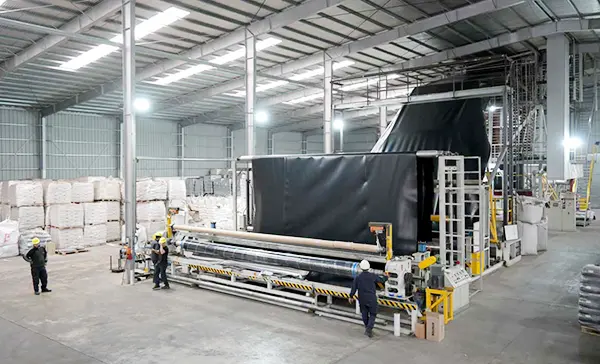
As global infrastructure projects become more complex in 2026, understanding the technical depth and application versatility of non-woven geotextile fabric is crucial for procurement officers and project managers alike. At DK Geosynthetics, our decades of manufacturing expertise allow us to provide materials that don’t just meet—but exceed—ASTM international standards.
What is Non-Woven Geotextile Fabric?
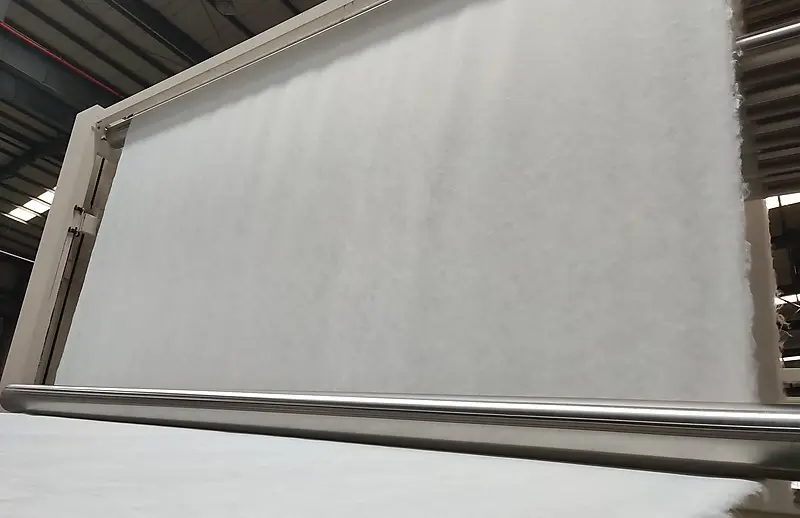
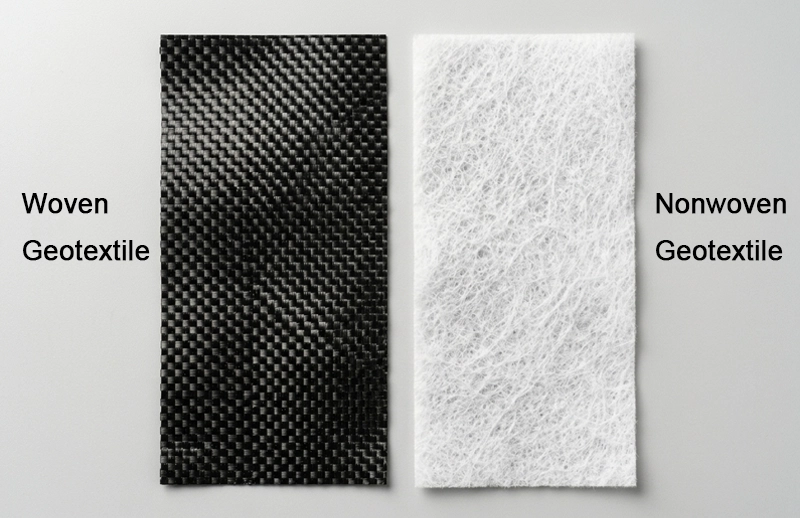
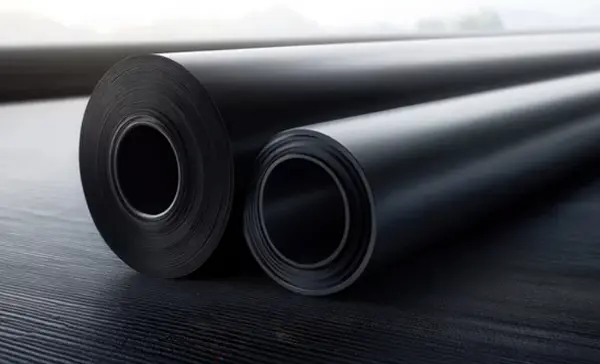
Non-Woven Geotextile Fabric is a flat, permeable sheet of synthetic fibers (typically polyester or polypropylene) that are bonded together through mechanical needle-punching, heat bonding, or chemical processes. Unlike woven alternatives, these fabrics possess a random, three-dimensional structure that provides excellent pore distribution.Often referred to as needle-punched geotextile, this synthetic material is engineered to withstand the harshest environmental conditions while providing a permeable barrier that manages water and soil interaction with precision.
Why Do You Need Non-Woven Geotextile Fabric for Soil Stabilization?
Soil stabilization is the process of improving the physical properties of soil to increase its load-bearing capacity. Non-Woven Geotextile Fabric acts as a multifunctional layer that addresses three primary engineering challenges:
- Separation: It prevents the mixing of two dissimilar soil layers (e.g., preventing soft subgrade soil from contaminating clean base aggregate).
- Filtration: It allows water to pass through the plane of the geotextile while retaining soil particles.
- Drainage: It collects and transports liquids within the thickness of the fabric itself (in-plane flow).
5 Proven Benefits of Using Non-Woven Geotextile Fabric
- Exceptional Water Permeability
The primary reason engineers specify non-woven geotextile fabric is its high flow rate. Unlike plastic sheets, the needle-punched structure creates millions of tiny pathways for water. This is essential in retaining wall drainage and French drains to prevent hydrostatic pressure buildup.
- Superior Filtration and Clogging Resistance
Because the fibers are interlocked randomly rather than in a fixed grid, the fabric acts as a complex filter. It mimics natural soil filtration, ensuring that even under high hydraulic gradients, the system remains free-flowing and does not clog with silt.
- High Tensile Strength and Elongation
Quality non-woven geotextile fabric offers a unique balance of strength and flexibility. It can stretch (high elongation) without tearing, allowing it to conform to uneven ground surfaces and bridge small voids in the subgrade.
- Chemically and Biologically Inert
In landfill and mining applications, the fabric is exposed to aggressive leachates. Most needle-punched geotextiles are manufactured from high-quality PET (Polyester) or PP (Polypropylene), making them resistant to acids, alkalis, and microbial degradation.
- UV Resistance for Long-term Exposure
During the construction phase, materials are often left exposed to sunlight. Modern non-woven geotextile fabric is treated with UV stabilizers to prevent degradation, ensuring the material retains its mechanical properties until it is covered by soil or rock.
How to Choose the Right Weight of Non-Woven Geotextile?
A common question we receive is: “What weight of fabric should I use?” The answer depends on the intensity of the project.
If you are unsure, our technical team at DK Geosynthetics can provide a free calculation based on your soil report.
Real-World Applications: Where Non-Woven Geotextiles Shine
- Road and Highway Construction
In roadwork, the non-woven geotextile fabric prevents the expensive stone base from sinking into the soft clay beneath. This maintains the structural integrity of the pavement, preventing potholes and rutting.
- Landfill and Environmental Containment
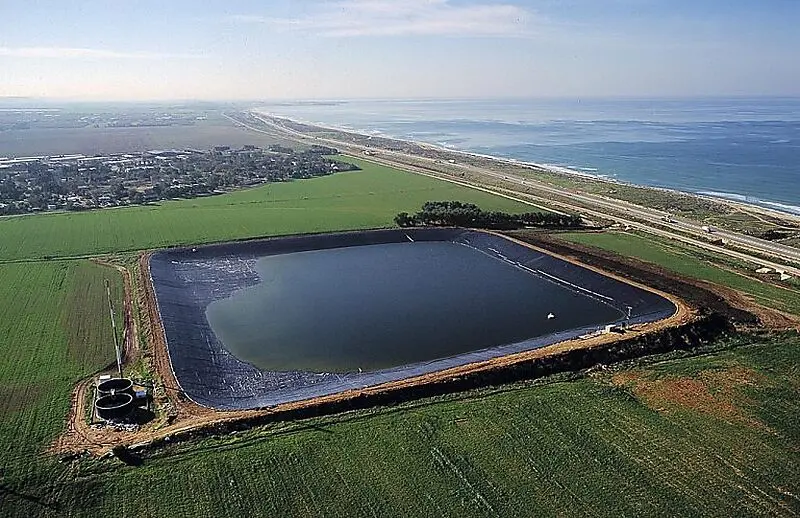
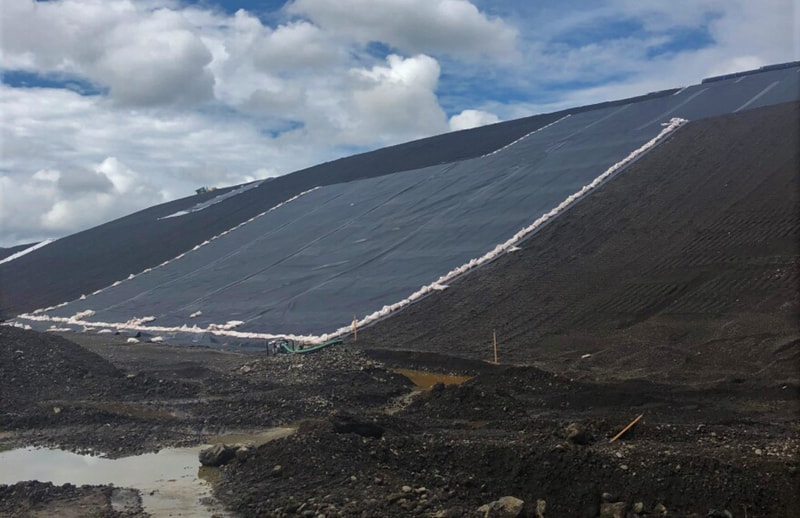
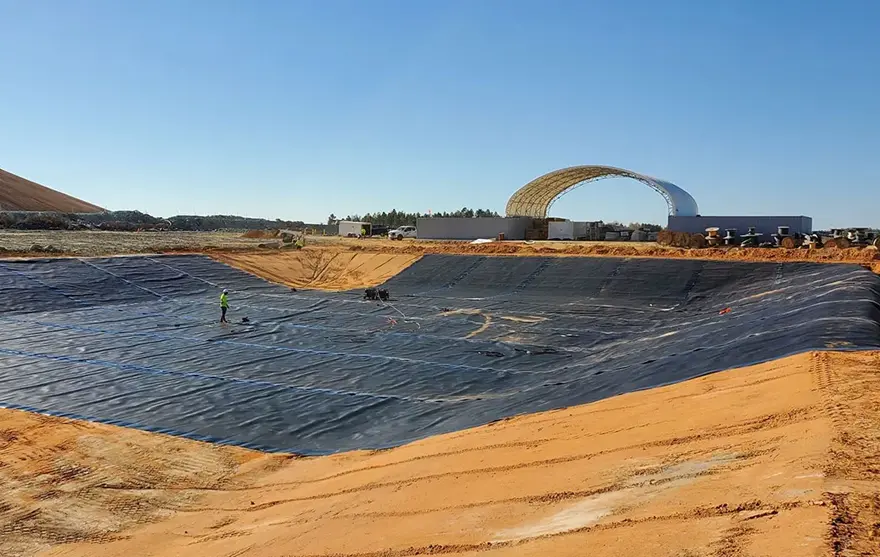
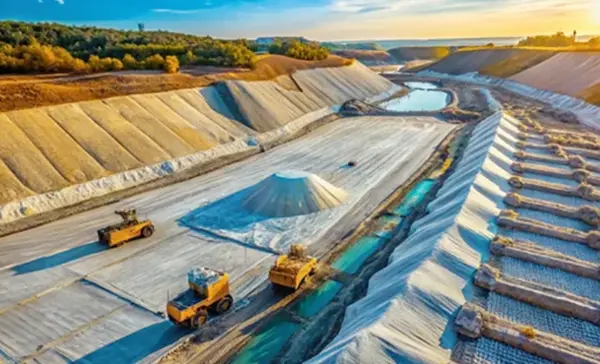
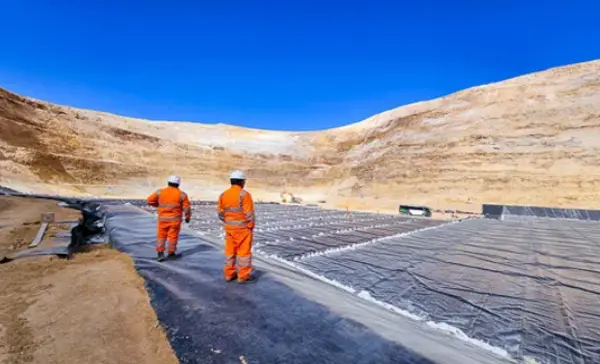
Here, the geotextile acts as a protective cushion for the geomembrane liner. It prevents sharp rocks from puncturing the primary containment layer while allowing gas and leachate to flow to collection points.
- Coastal and Riverbank Protection
When placed under armor stone or rip-rap, the fabric prevents the waves from washing away the soil behind the rocks. This is a critical technique for preventing coastal erosion and protecting seaside properties.
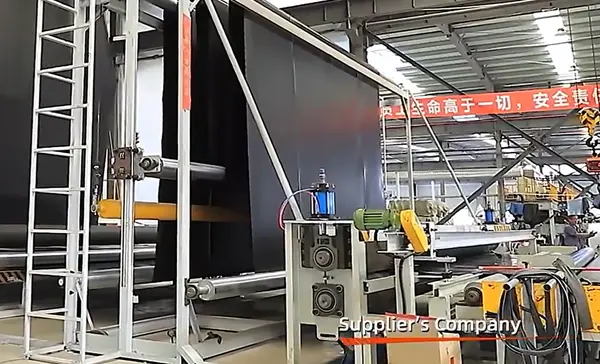
At Taian Dingkun New Materials Co., Ltd, we continue to innovate our needle-punching processes to provide even higher permeability and puncture resistance. Our commitment to quality is backed by ISO 9001 and CE certifications and a track record of supplying over 50,000 tons of material annually to markets in Southeast Asia, the Americas, and the Middle East.
Choosing the right non-woven geotextile fabric is not just a procurement decision; it is a commitment to the safety and durability of your project. Whether you are building a highway or a simple retaining wall, ensure you use materials that are tested, certified, and proven in the field.
For bulk pricing or technical data sheets, contact our export specialists today.