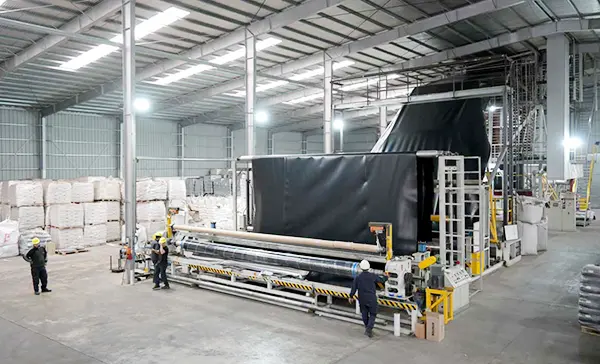


For water storage tanks, fish ponds, and artificial lakes, the most troublesome issue is not the initial construction cost, but rather ongoing seepage. Persistent leakage renders water storage ineffective, necessitating frequent refilling and driving up water costs; in fish ponds, dropping water levels can lead to oxygen depletion and mass fish die-offs, resulting in total financial loss; for artificial lakes, the cost of continuous refilling is exorbitant—over several years, the cumulative expense can exceed the cost of rebuilding the lake itself.
While investment in anti-seepage measures may appear to inflate the initial construction budget, the reality becomes clear once leakage occurs: every penny saved on waterproofing is ultimately lost through the waste caused by leaks.
Water storage tanks, artificial lakes, landscape ponds, and fish ponds all fall into the category of “clean water” basins. Unlike manure or wastewater pits—where waterproofing is often done merely to pass inspections—the primary goal for clean water basins is to retain the water and minimize the financial losses associated with constant refilling.
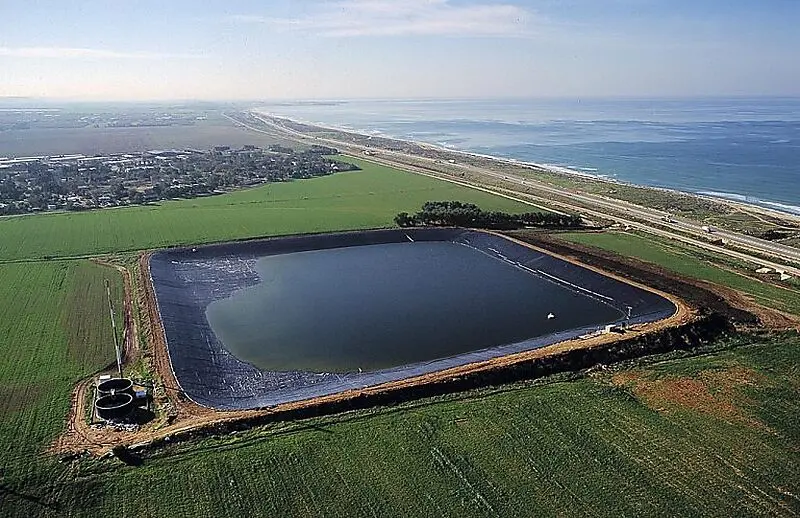
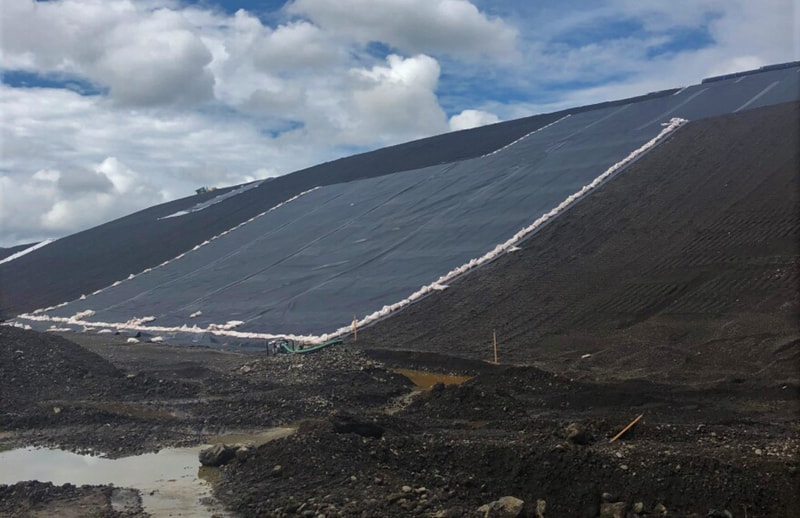
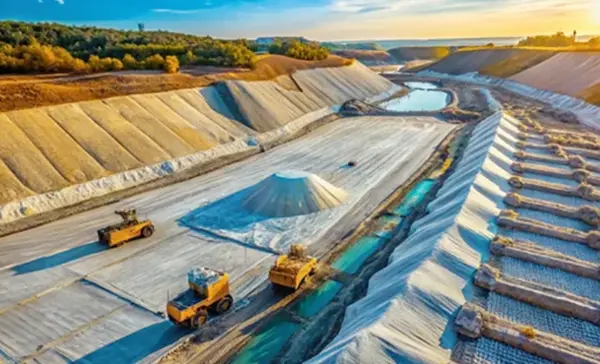
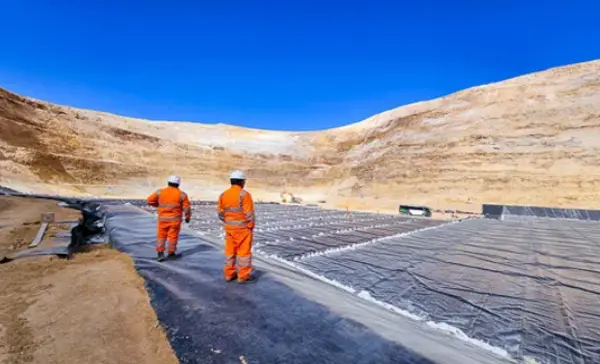
Reservoirs are used for irrigation, drinking water and aquaculture watersupply. The anti-seepage aim is to retain water and secure backup waterfor dry seasons. Leakage will waste stored water; if the reservoir is builtbeside buildings, seepage may soak the foundation and cause safety risks.The geomembrane thickness shall be determined by water depth.Eco-friendly materials are required for projects in contact with drinkingwater. For medium reservoirs deeper than 3m, 0.75~1.0mm geomembraneis recommended, while large reservoirs around 5m deep should start with1.0mm geomembrane.
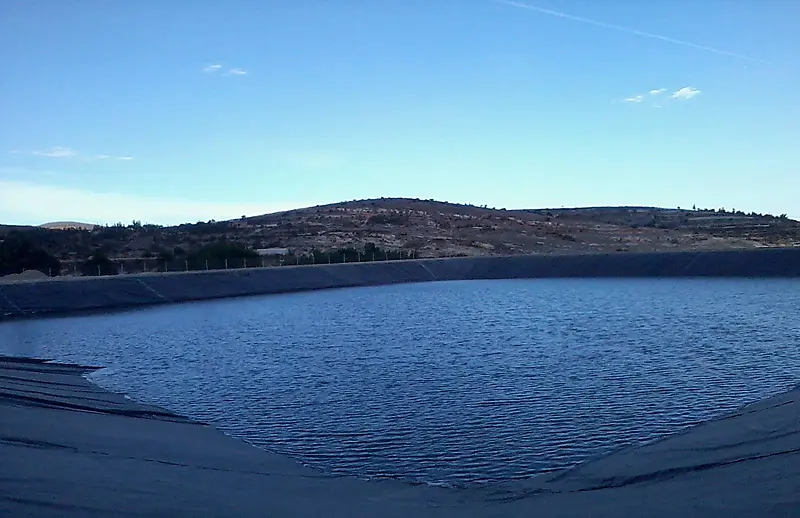
WATER STORAGE RESERVOIR
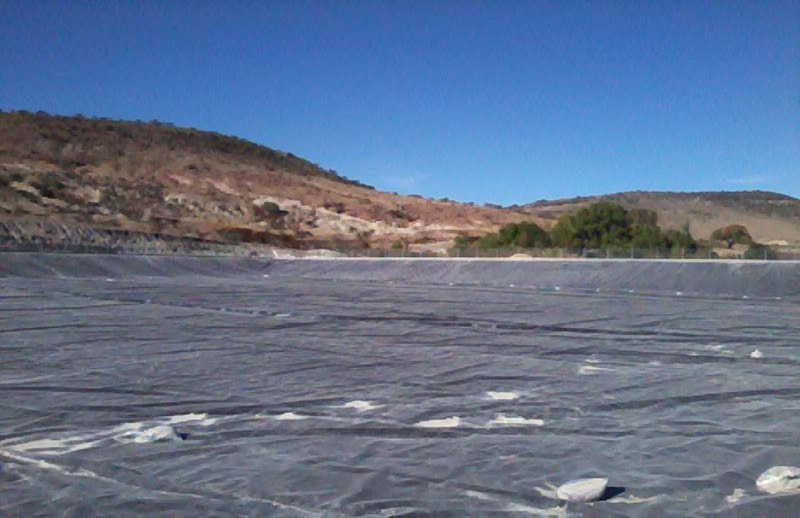
For artificial lake anti-seepage, the goal is to maintain stable water levels all year round, keep the water clean and deliver attractive landscape effects. Leakage requires constant water replenishment and leads to sustained high water costs. The lake bed features irregularterrain, so puncture resistance should be emphasized and sufficient material wastage accounted for. For landscape artificial lakes deeper than 3m, 0.75~1.0mm geomembrane is recommended, while deepartificial lakes around 5m deep should start with 1.0mm geomembrane.
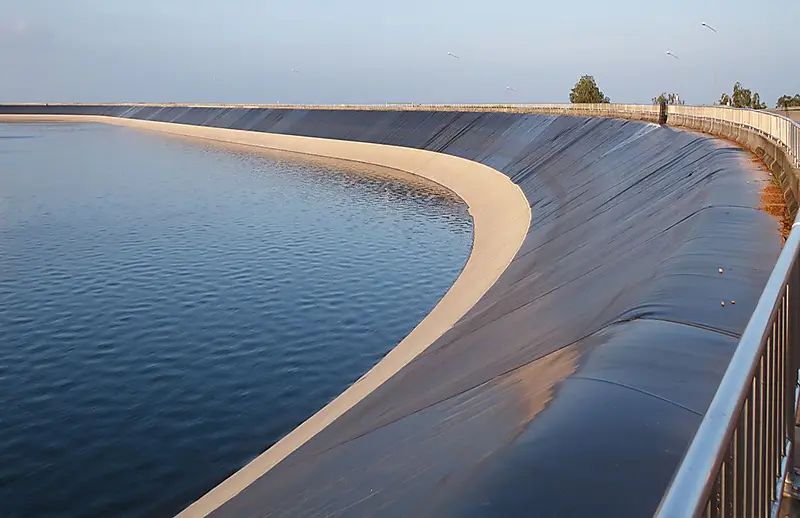
ARTIFICIAL LAKE
C.FISH POND
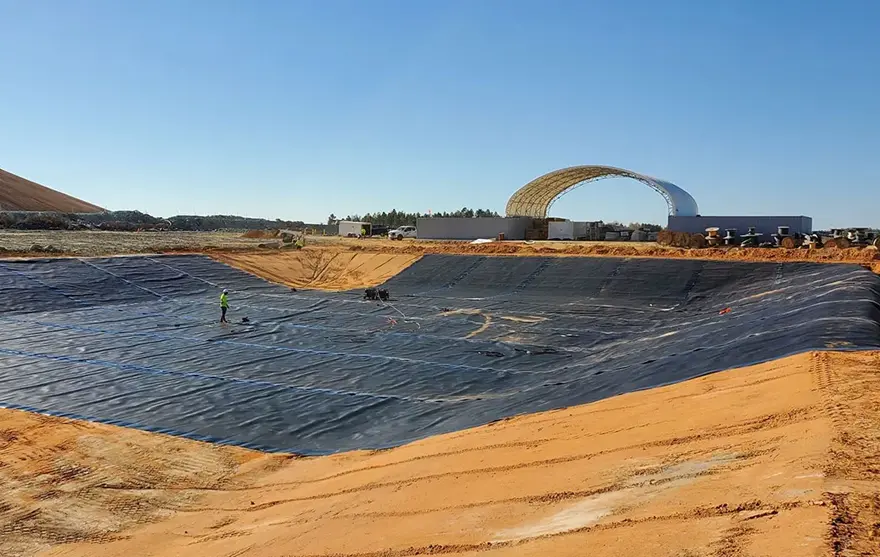
For fish pond anti-seepage, the goal is to retain water and fertilizer and maintain a stable water environment to prevent fish hypoxia. Leakage will lead to falling water level, which may easily cause fish death. The geomembrane should be clean and eco-friendly. It can be scratched during pond cleaning and net pulling, so protection isneeded during construction and farming. For fish ponds with water depth within 2m, 0.5mm geomembrane is recommended.
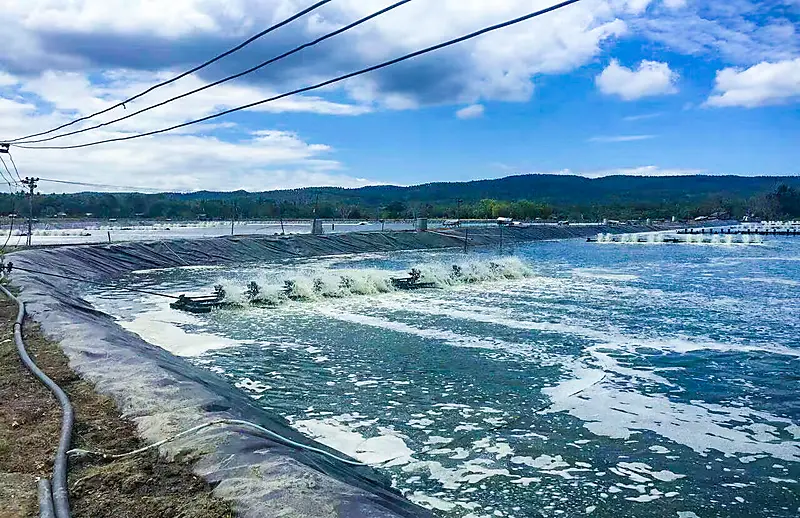
FISH POND
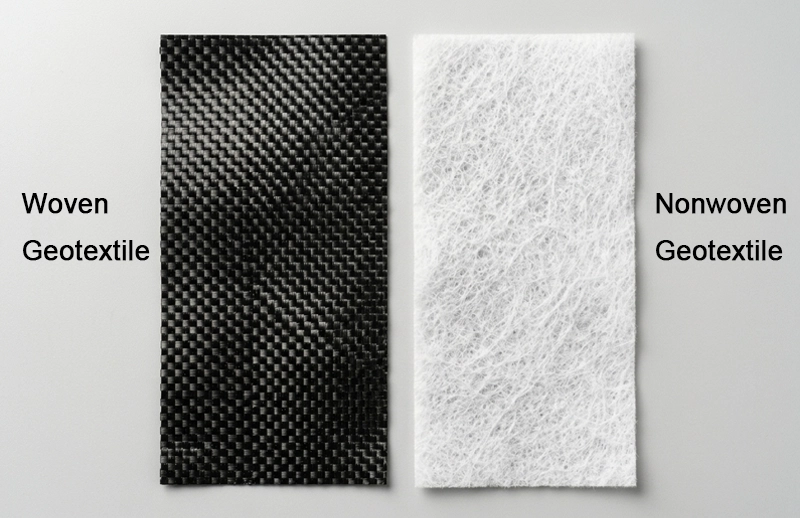
For courtyard, fire protection and small water storage ponds, the anti-seepage target is to keep water clean and prevent leakage with minimal maintenance. Sharp stones often exist at the pond bottom, which can puncture the membrane under pressure. These ponds cover a small area, and the geotextile-geomembrane composite (one geotextile plus one geomembrane) offers the easiest installation. For standard small ponds with 2~3m water depth, 0.5~0.75mm geomembrane is available, and the final thickness depends on the foundation and the flatness of the pond base.
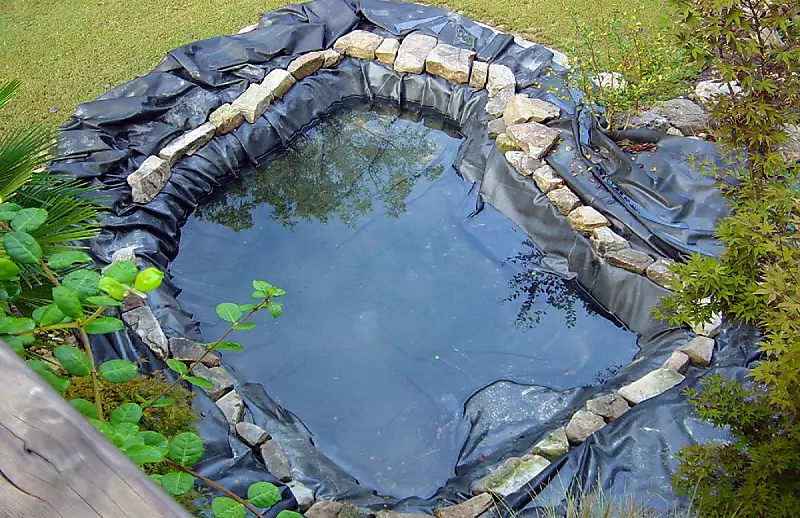
SMALL POOL
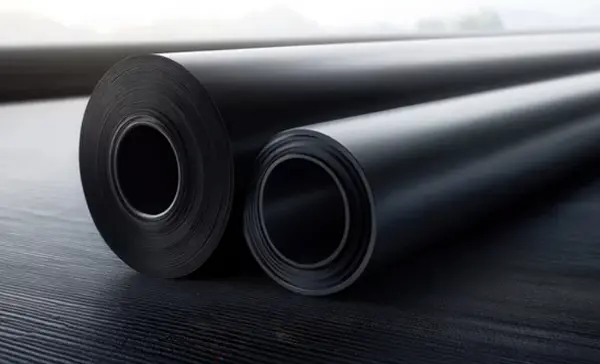
The selection of geomembrane thickness must be determined based on the specific type of project. For clean-water containment projects—such as reservoirs, fish ponds, and artificial lakes—the appropriate thickness is chosen by comprehensively considering water depth, foundation conditions, and the intended service life. A scientifically sound selection balances impermeability performance with project costs; when combined with standardized installation, this creates a robust impermeable structure that effectively prevents seepage, reduces long-term costs for water replenishment and maintenance, and ensures the stable, long-term operation of the facility.