
banner-news1
FAQ

Why do the measurements of geotextiles make a difference?

— Weight: The number of ounces per square yard you are getting This is important for determining which weight you need for your particular job. We have light-weight, medium weight, and heavy weight available.
— Grab Tensile Strength and Elongation: Indicate the breaking load of the fabric, which makes a difference depending on what your application is.
— Trapezoidal Tear Strength & CBR Puncture Resistance: Are two different methods of measurements of the strength of the fabric while under tension. You will need to know how much strength you will need for your project or application.
— Permittivity & Permeability: are both means of measuring the rate of water flow of the through the fabric. so it makes a big impact depending on if you are using it for landscaping, drainage, as underlayment, or as a geo-membrane cushion.
— AOS (Apparent Opening Size): Fabrics with a higher percentage of open area ,or the size of the weave opening, experience less clogging.

Our Latest News
Dingkun geomembrane
A Complete Guide to Containment & Protection | Dingkun Geosynthetics
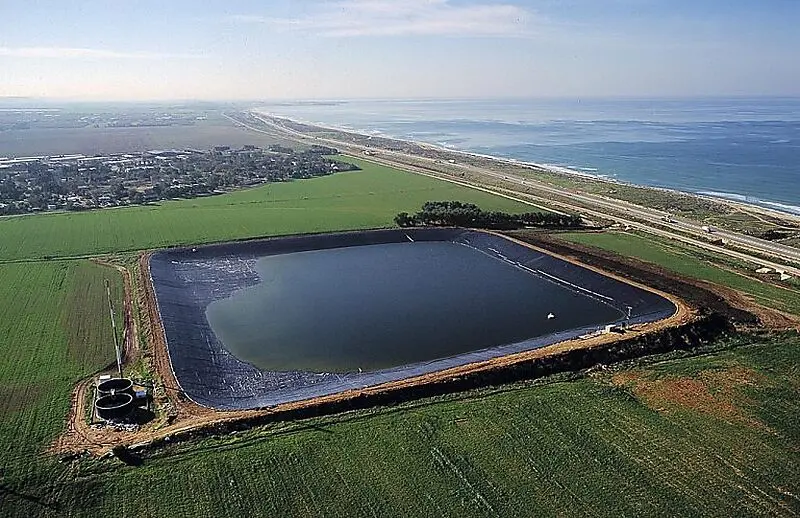
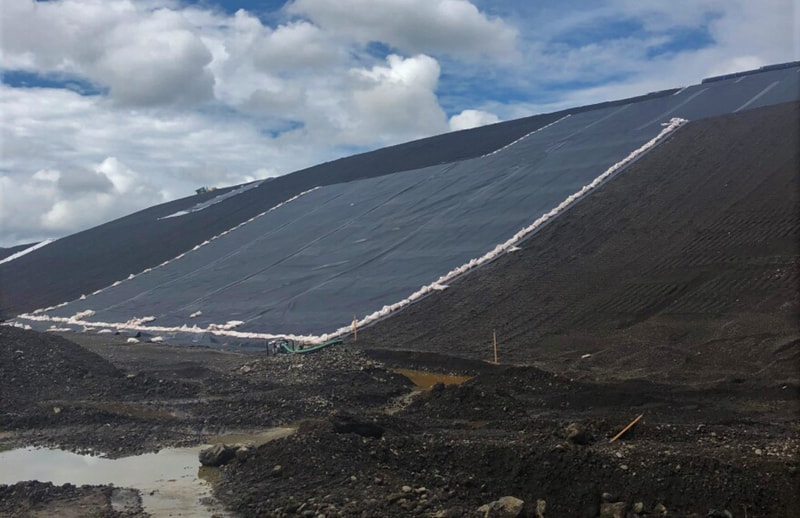
In modern engineering construction, the efficient and sustainable prevention of uncontrolled seepage of liquids and gases is essential for protecting the ecological environment and ensuring project quality. Geomembranes undoubtedly play a key role in these highly challenging seepage control projects. In this guide, Dingkun Geosynthetics, a leading Chinese manufacturer of geosynthetics, will provide an in-depth analysis of geomembrane materials, classifications, core applications and how to select a high-quality geomembrane suitable for your project.
read more
Woven vs. Non-Woven Geotextile
Woven vs. Non-Woven Geotextile: Which One is Right for Your Project?
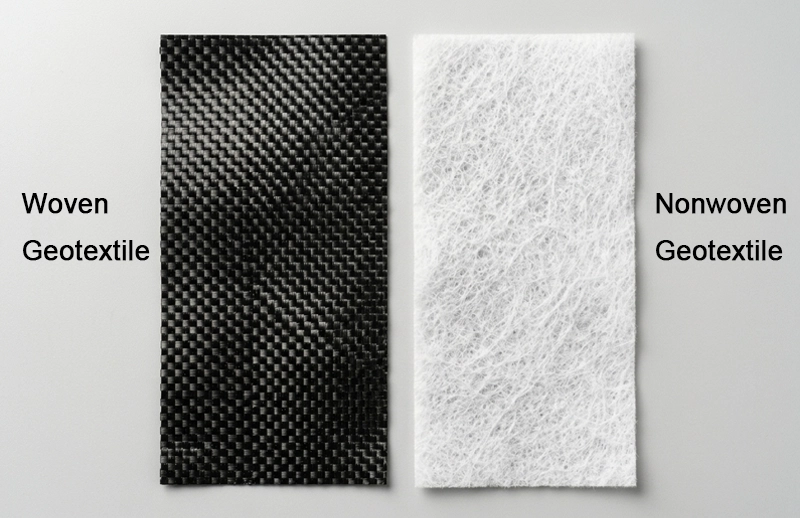
Confused about choosing between woven and non-woven geotextile? Discover the key differences in strength, drainage, and applications to find the perfect solution for your project.
read more
Installation method for Geocells
Installation method for geocells slope erosion control
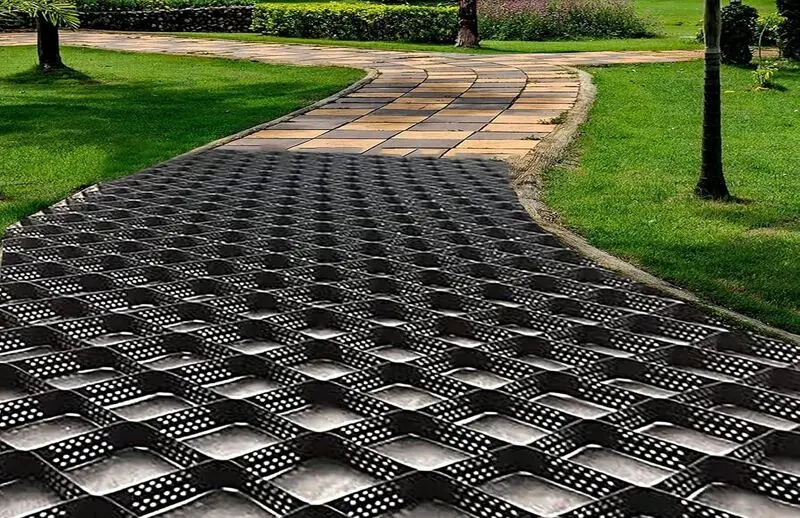
Geocell is a revolutionary three-dimensional cellular confinement system made from high-density polyethylene (HDPE) or other advanced polymer alloys.
read more
types of geomembrane-9
Types of Geomembrane
Geomembranes are synthetic membranes used as impermeable barriers in geotechnical engineering. They come in various materials, each with distinct properties suited for different applications.The four most common types of geomembranes are high-density polyethylene (HDPE), low-density polyethylene (LDPE), linear low-density polyethylene (LLDPE), and Polyvinyl Chloride (PVC).
read more
Geomembrane Uses
Geomembrane Uses
Geomembrane excellent waterproofing and containment properties,they are widely used in various engineering and environmental applications
read more
Enhance Your Project with Geotextile and Geomembrane Combination
HDPE Geomembrane Installation Specification
The combination of geomembrane and non-woven geotextile in geotechnical engineering provides a highly effective solution for various applications.
read more
Enhance Your Project with Geotextile and Geomembrane Combination
The combination of geomembrane and non-woven geotextile in geotechnical engineering provides a highly effective solution for various applications.
read more
What is the Difference Between Short Filament Geotextile and Filament Geotextile
What is the Difference Between Short Filament Geotextile and Filament Geotextile?
Geotextile, or geotextile fabric, represents a permeable geosynthetic material crafted from synthetic fibers through needle punching or weaving techniques. This innovative material, among the newer geosynthetic solutions, typically presents a cloth-like finish,..
read more
Message