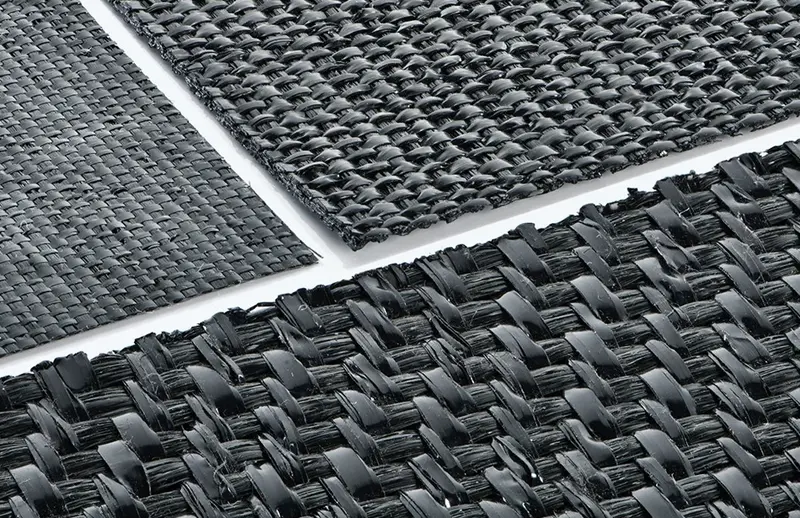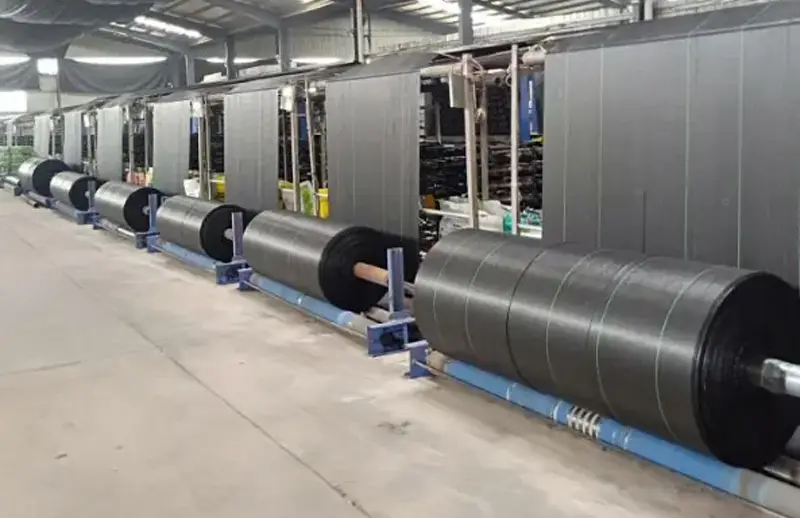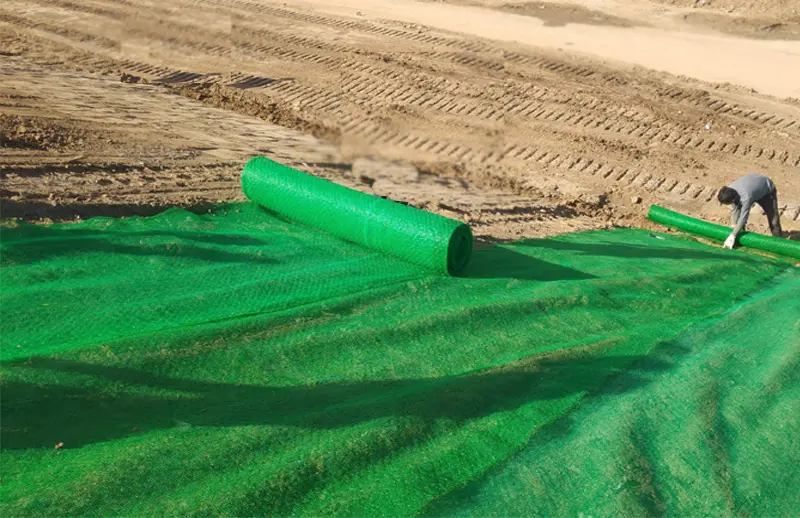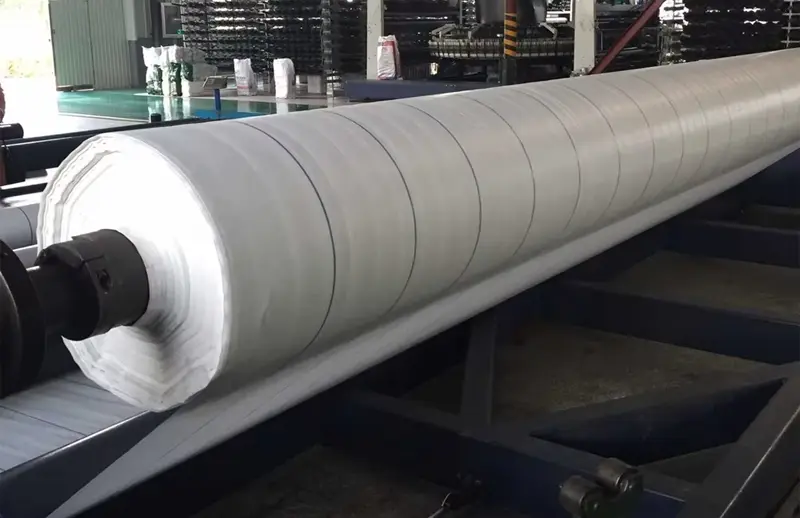
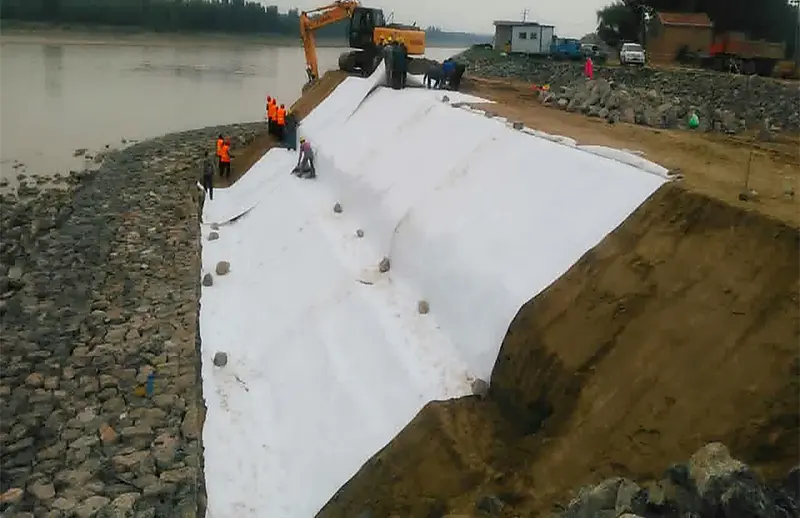
Geotextile Underlayment
Material:PET/PP
Surface:Filament/Short Fiber
Width:1-6m
Length:50/100/150/200/Customized
Weight:100-1200gsm


Non-woven Geotextiles
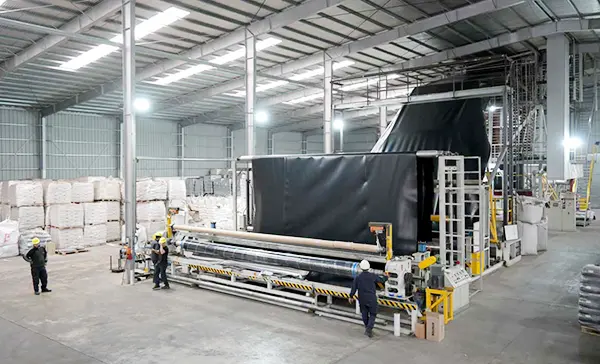
Meanwhile, non-woven geotextiles are geosynthetic materials made without weaving. A high-quality non-woven geotextile sheet requires a lengthy process.
Non-woven geotextiles have a wide variety of uses, and you’ve likely encountered them in your daily life. Generally, non-woven geotextiles are used as separators and filters in geotechnical projects.
Unlike woven geotextiles, non-woven geotextiles have low tensile strength but high elongation. This means they are not suitable for reinforcement, but are more suitable for separation, protection, or filtration.
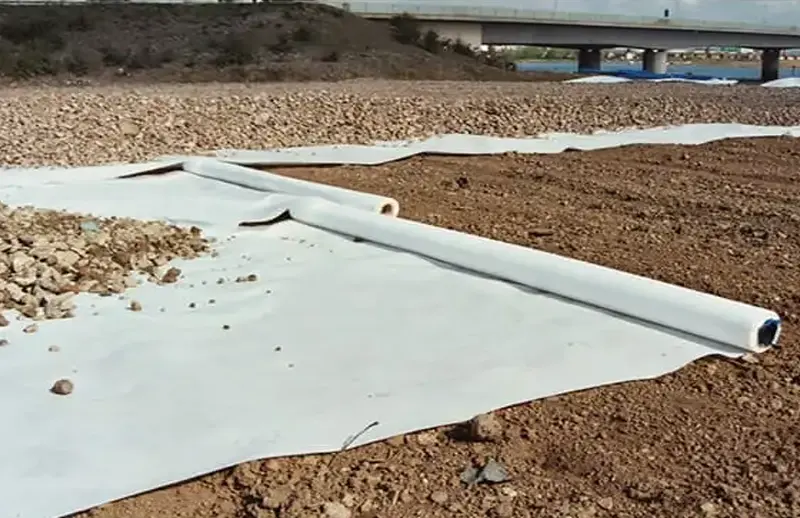
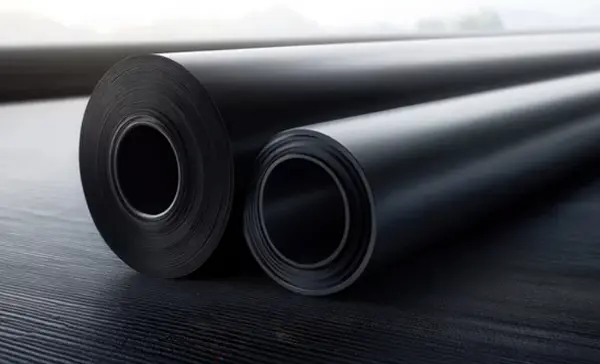
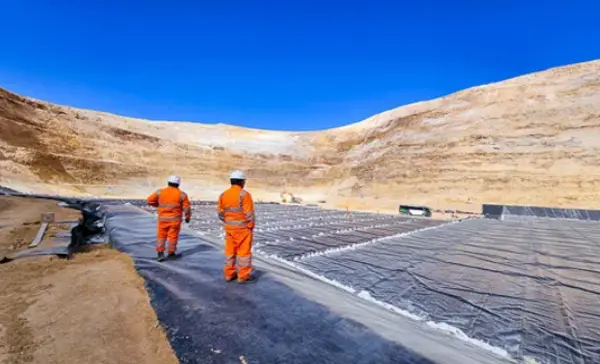
Geotextile underlayment is a permeable fabric, most commonly of the non-woven needle-punched variety, made from polyester (PET) or polypropylene (PP). Unlike standard landscape fabrics, professional-grade underlayment is engineered for high tensile strength and puncture resistance, acting as a cushion between the soil and a secondary layer (like a geomembrane liner).
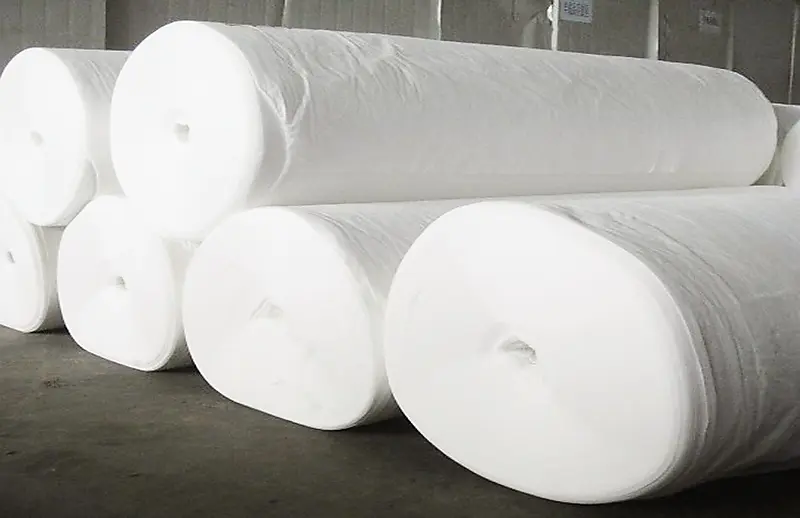
Geotextile Underlayment
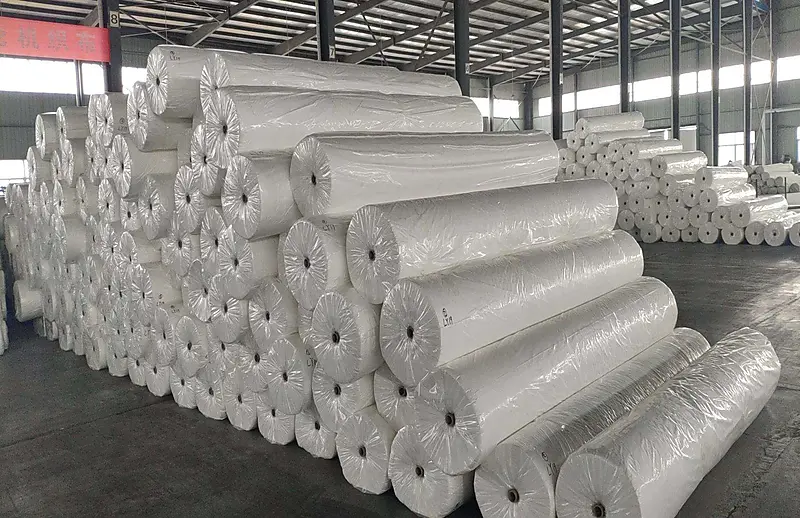
Geotextile Underlayment
Geotextile Underlayment’s Specifications
| Properties | Test Method | Unit | GXSF150 | GXSF200 | GXSF300 | GXSF400 | GXSF500 | GXSF600 | GXSF800 | GXSF1000 |
| Tensile Strength(MD/TD) | ASTM D4595 | kN/m | 8 | 11 | 20 | 24 | 28 | 34 | 48 | 50 |
| Tensile Elongation(MD/TD) | ASTM D4595 | % | 50 | 60 | 60 | 60 | 60 | 60 | 60 | 60 |
| Grab Tensile Strength(MD/TD) | ASTM D4632 | N | 520 | 700 | 1100 | 1500 | 1800 | 2200 | 2800 | 3000 |
| Grab Elongation(MD/TD) | ASTM D4632 | % | 50 | 50 | 60 | 60 | 60 | 60 | 60 | 60 |
| Trapezoidal TearStrength(MD/TD) | ASTM D4533 | N | 220 | 330 | 400 | 480 | 560 | 620 | 860 | 880 |
| CBR Burst Strength | ASTM D6241 | N | 1700 | 2400 | 3200 | 4300 | 5300 | 6000 | 6800 | 7000 |
| Pore Size O90 | ASTM D4751 | m | 90 | 85 | 80 | 75 | 70 | 60 | 55 | 50 |
| Water Flow Q100 | ASTM D4491 | L/m2/s | 160 | 145 | 140 | 120 | 105 | 95 | 90 | 80 |
| Weight | ASTM D5261 | g/m2 | 150 | 200 | 300 | 400 | 500 | 600 | 800 | 1000 |
The Critical Functions
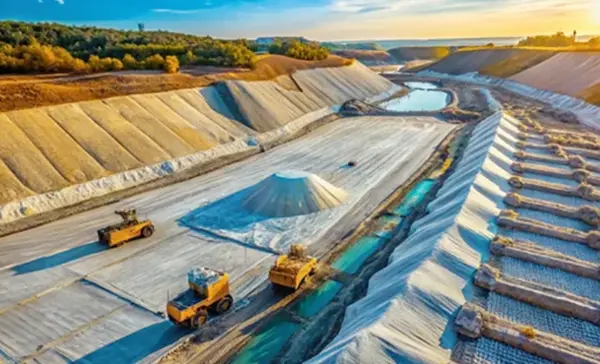
Geotextile underlayment are used in civil engineering for separation, protection, and as filters in construction. Non-woven geotextiles have higher elongation than woven geotextiles. Non-woven geotextiles can be used in a variety of applications. For more details, here are some applications of non-woven geotextiles:
1. Filtration
Non-woven geotextile material is used to retain fine soil particles while still allowing water to pass through. This technique prevents fine particles from leaching and drying out.
2. Separation
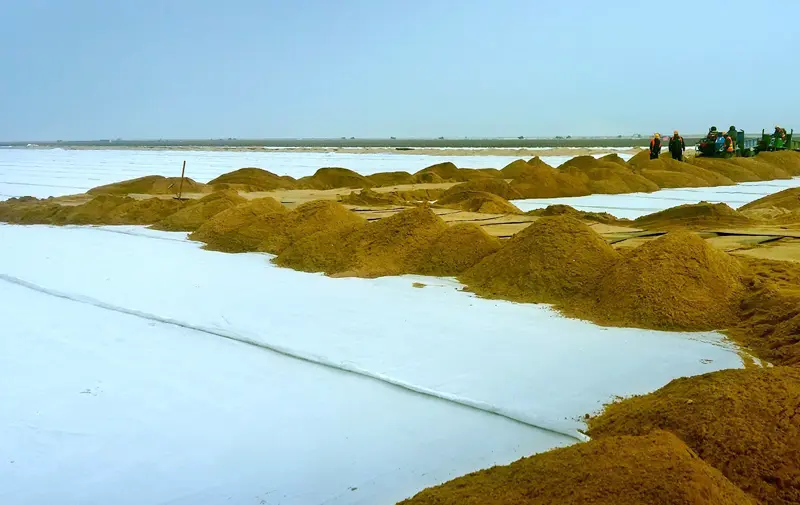
Non-woven geotextiles are used to separate two layers of soil with different particle size distributions. Their function is to help prevent the fine-grained subgrade from pumping into the permeable granular road base, thus preventing the two adjacent layers from mixing.As a separator, non-woven geotextiles are necessary to ensure the long-term performance of the structure. Examples of non-woven geotextile applications as separators include road construction projects, railways, walls, dams, embarkation points, barriers, and so on.
3. Drainage
As a passive element, non-woven geotextiles are used to transport liquids or gases. Typically, a combination of drainage geocomposites is used to increase drainage capacity.
Top Applications
Pond & Lake Liners: Essential for protecting EPDM or HDPE liners from rough terrain, significantly extending the life of the water feature.
Road & Driveway Stabilization: Placed under gravel or asphalt to prevent the stone from sinking into the soft subsoil.
Drainage Systems: Wrapping perforated pipes in French drains to prevent silt from clogging the system.
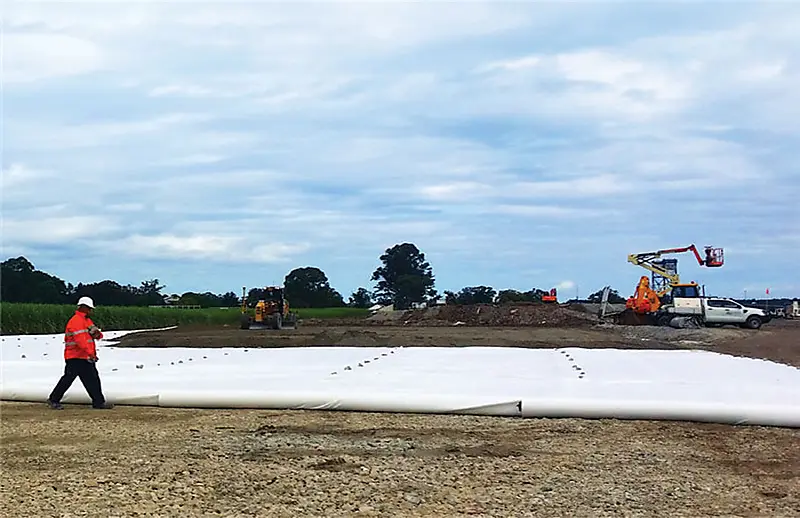
Geotextile Underlayment
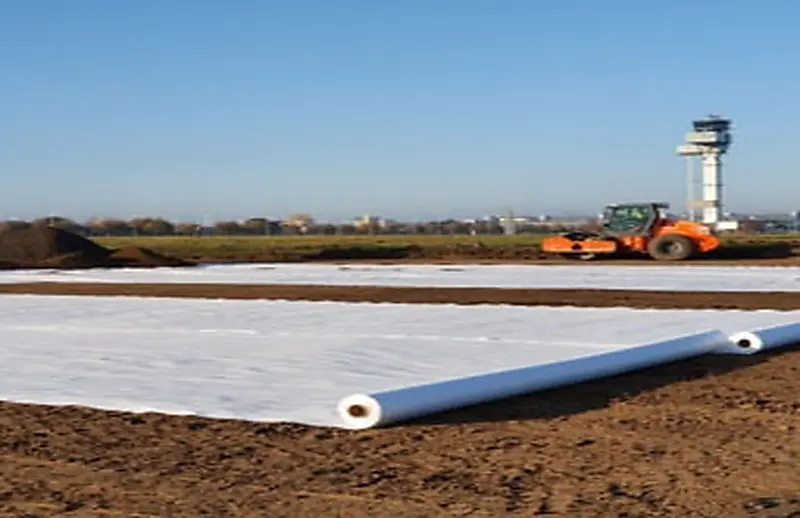
Geotextile Underlayment
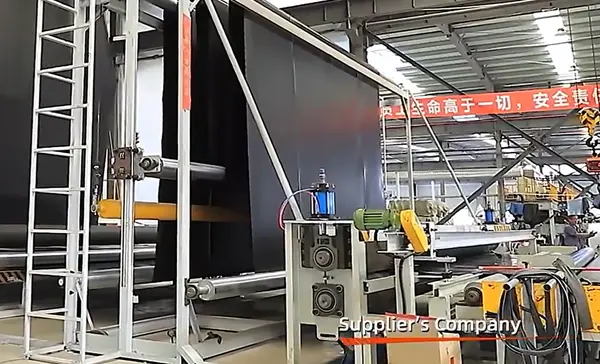
You can purchase a range of geosynthetic materials from DK, including non-woven materials. You don’t need to worry about quality because DK always provides the highest quality products.
DK also ensures the quality of each material used, so you can use this non-woven geotextile with complete confidence. Even better, DK applies strict international standards to ensure that all materials are safe to use.
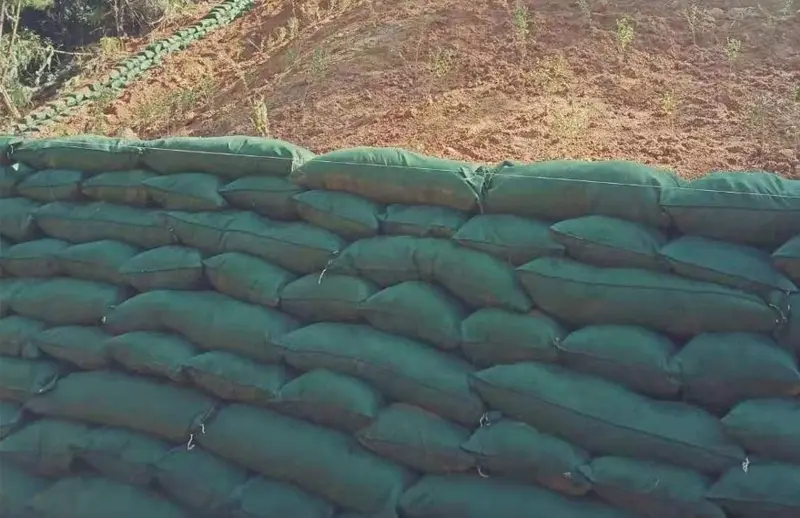
We offer a variety of other geosynthetic materials, including non-woven geotextiles. These include geomembranes, geogrids, geocells, geobags and environmentally sustainable materials.
You can therefore rely on them for projects ranging from embankment base reinforcement and accelerated consolidation to impermeable layer systems, road construction, filtration, erosion and shoreline protection, drainage systems and hydraulic and marine engineering.